 Glass Machinery Factory
Glass Machinery Factory
Glass Machinery Factory
With the continuous rise in labor costs and increasing demands for global supply chain efficiency, the Chinese glass processing landscape in 2026 exhibits a distinct "de-laborization" characteristic. Automated inline production for glass cutting, edge grinding, and sandblasting processes in the architectural, furniture, and photovoltaic sectors has become the mainstream. This full-process automation not only effectively alleviates the pressure of rising labor costs but also significantly improves the production takt time through seamless connection between processes.
In terms of precision processes, the deep integration of CNC glass processing equipment with smart sheet loading, double-sided lamination, and other equipment has become key to enhancing overall production capacity. The strict requirements for processing precision and surface quality in photovoltaic glass and high-end furniture markets are driving equipment evolution towards high precision and high stability. Manufacturing enterprises no longer merely satisfy with the performance of individual units but focus on the collaborative capability of the entire line, ensuring that every step from cutting to grinding to deep processing achieves micron-level precision control.
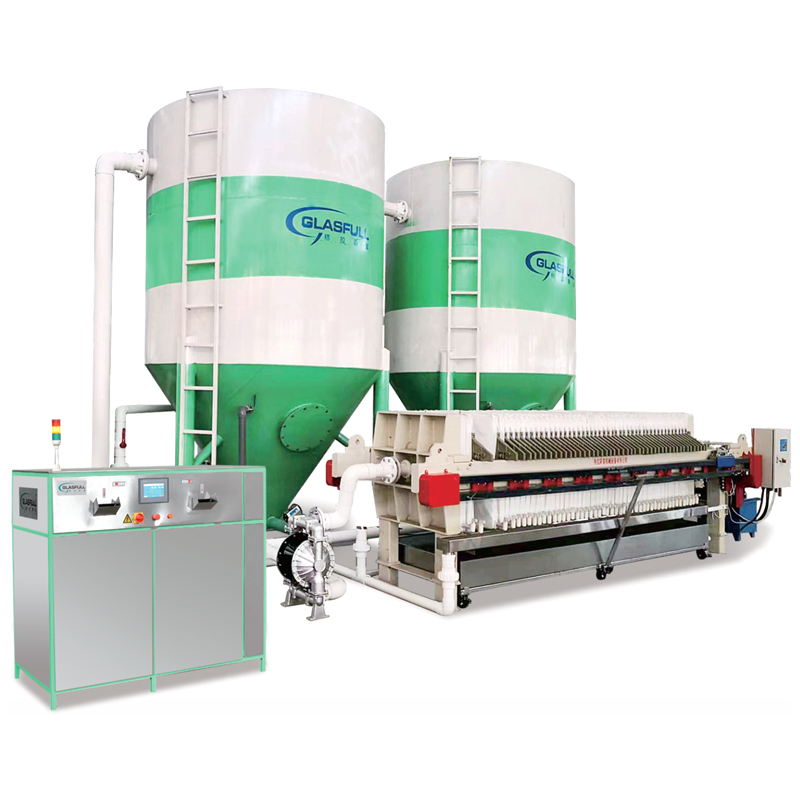
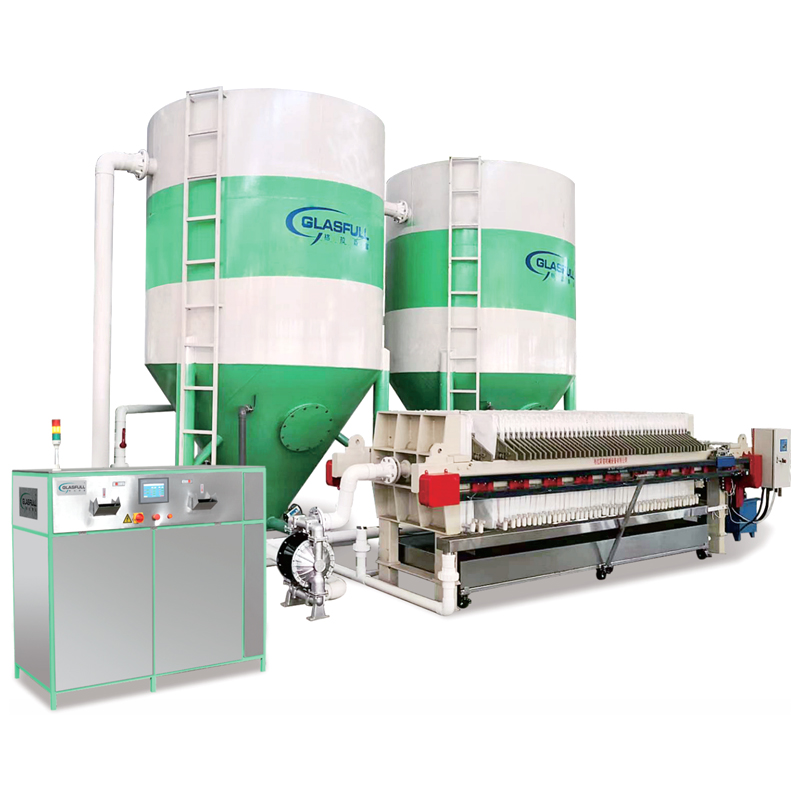
Environmental compliance has shifted from an "optional item" to the "survival baseline" for glass production enterprises. In 2026, demand for wastewater treatment equipment for glass edge grinding, ink, and deep processing wastewater has surged. Enterprises are accelerating the deployment of wastewater recycling systems that comply with Chinese environmental product certifications and the EU Machinery Directive to meet increasingly strict emission standards.
The traditional end-of-pipe treatment model is gradually being replaced by process control. The high self-sufficiency rate of glass machinery parts has become a critical factor in enhancing the long-term operational stability of wastewater treatment systems. When core components are controlled by equipment manufacturers, system compatibility and durability are significantly improved, reducing the risk of secondary pollution caused by poor part compatibility. Adhering to the design philosophy of "balancing function and practicality, integrating environmental protection with manufacturing" has become the core metric for selecting new-generation glass machinery, aiming to achieve compliant wastewater discharge and efficient resource recovery.
The direction of technological evolution is upgrading from single-function machines to intelligent full-line solutions. Future glass production lines emphasize coordination between processes and data interoperability, utilizing the Industrial Internet to achieve real-time collection and analysis of production data. Focusing on the long-term stability of equipment and optimizing the user experience are essential means for manufacturing enterprises to reduce downtime rates and improve operator comfort. Brands capable of providing full lifecycle management services can offer customers one-stop support from installation and commissioning to post-service maintenance, thereby gaining greater market favor.
By improving the self-sufficiency rate of parts and the quality of core components, enterprises can effectively reduce the long-term operation and maintenance costs of equipment. This model not only ensures minimal performance degradation over the equipment's years of use but also truly achieves the goals of efficient, environmentally friendly, and practical production, avoiding the trap of incurring high future maintenance costs due to the initial purchase of low-priced equipment.
When facing numerous suppliers of glass machinery equipment, manufacturing enterprises need to establish an evaluation system based on real production problems.
More updates on Glass Machinery Industry and Glass Industry News